HACCP plan for bars: displayed food, ice and cocktails
By Miselup team · Updated:
A HACCP plan for bars identifies hazards in drinks and bar food and sets out controls from receiving to service. It covers displayed snacks, ice, glassware and cocktail ingredients, with monitoring, corrective action and verification appropriate to the actual menu and bar layout.
A chilled snack sits beside the service counter, a hot plate is replenished and used glasses return while a bartender finishes a cocktail. These routes share a small working space. A drinks-led bar needs an ice and glassware procedure even when it has no full kitchen.
The example combines a chilled potato salad, hot bar food and a cocktail made to order with a pasteurised egg product. Use the branches your operation needs and check your local requirements before adopting criteria. Mise Pro HACCP helps organise the plan and its records.
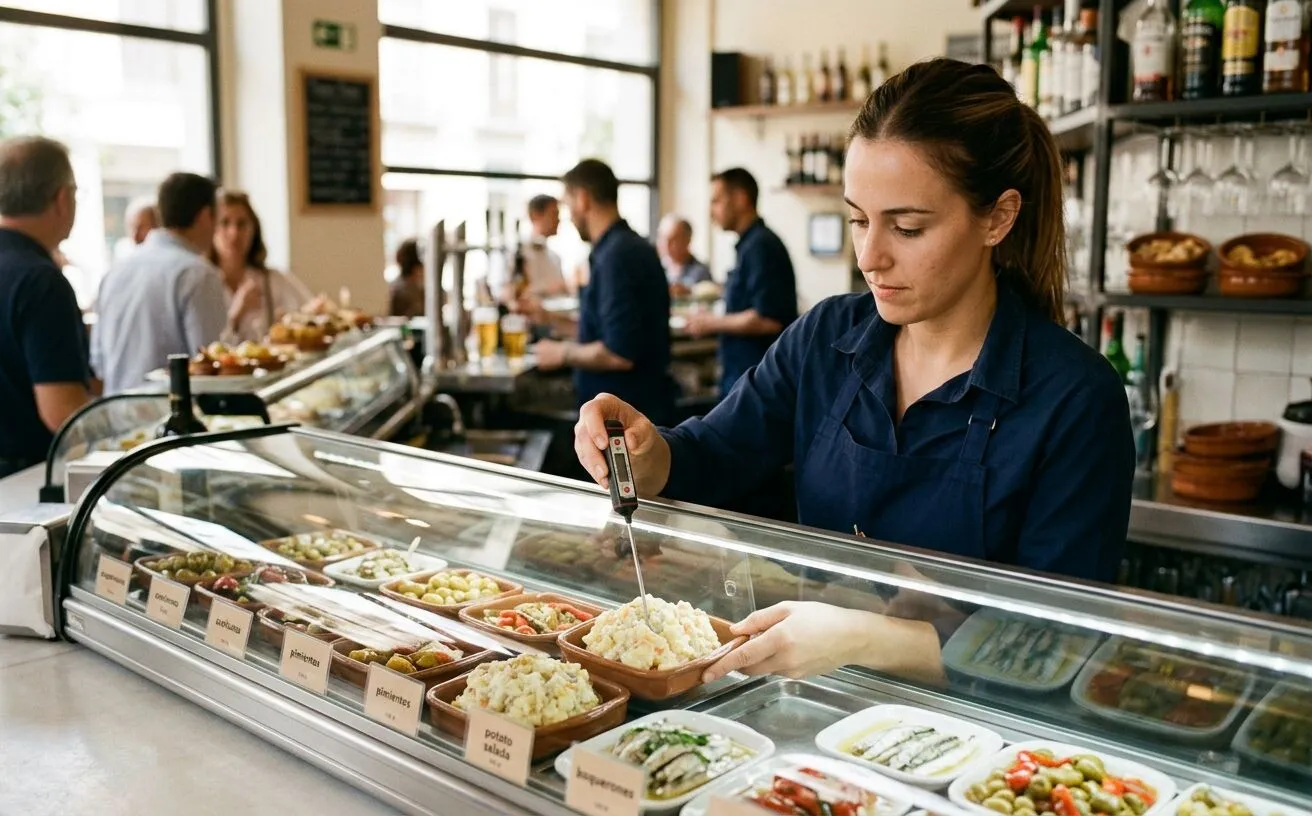
Food display and drink preparation meet at the counter
A bar plan connects food replenishment with ice handling and the return of used glasses. Give these shared-counter routes their own checks instead of assuming the kitchen plan covers every drink.
Replenishment changes the food route. Topping up an old tray with fresh potato salad loses the separation between batches and their storage histories. Identify trays and decide what can remain in service, what needs removal and who makes that decision when the shift changes.
Ice, citrus garnish and cocktail foam may receive no further treatment before consumption. Protect the scoop and ice bin, prepare garnish in a clean area and choose egg ingredients supported for their intended use. A spirit or acidic mixer is not evidence of a validated safety treatment.
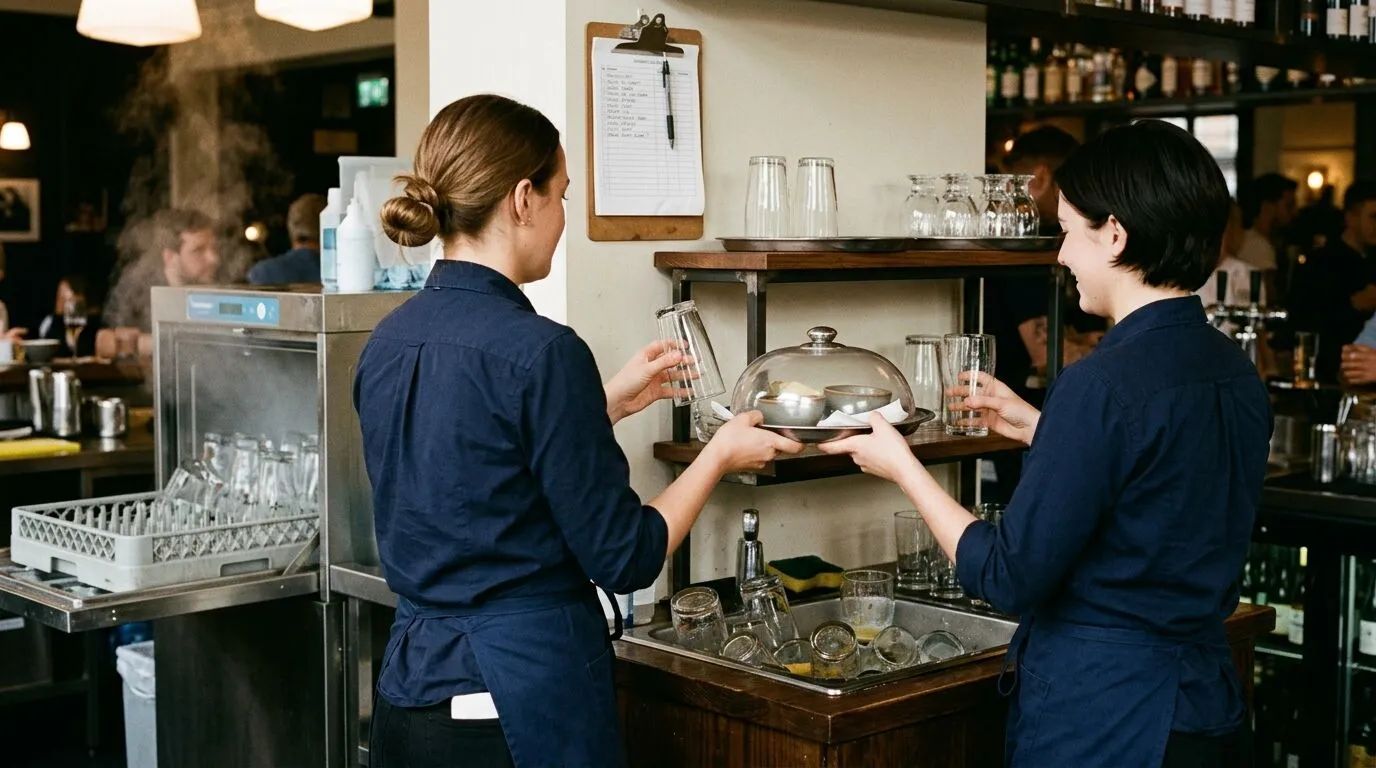
Used glasses need a route back through washing that does not cross clean glasses and ready-to-eat snacks. Broken glass near the ice bin affects food as well as housekeeping. Include drink garnishes, sauces and complimentary nuts in the allergen information given at the counter.
A food flow to confirm in your operation
- 1.Receive food, ice and cocktail ingredients
- 2.Store and identify each ingredient
- 3.Prepare snacks and garnish in a clean area
- 4.Cook and cool only where the menu needs it
- 5.Display and replenish identifiable batches
- 6.Build drinks with protected ice and clean glasses
- 7.Confirm food and drink allergens
- 8.Remove leftovers and wash returned glasses
Food safety hazards in bars
Displayed food can lose temperature control while ice and garnish can be contaminated during handling. Glass fragments, cleaning chemicals and allergens in cocktail foam or snacks need controls alongside microbial hazards.
Biological
Microbial growth in displayed snacks or contamination of ice, raw garnish and egg-based cocktail foam.
How to control it: Set supported display criteria, protect ice and garnish, separate used equipment and choose an egg product suitable for uncooked use under local rules.
Chemical
Glass-washer residues, ice-machine descaler or surface spray reaching open food and clean glasses.
How to control it: Follow product instructions for dosing, contact and rinsing; protect food during cleaning and check equipment before returning it to service.
Physical
Glass fragments reaching the ice bin or exposed snacks, or damaged strainers and utensils shedding parts.
How to control it: Use a scoop rather than a glass for ice, remove potentially affected food after breakage and inspect the bin and service area before reopening.
Allergens
Egg in foam, milk in snacks or nuts in complimentary garnish; shared tongs and cocktail equipment causing cross-contact.
How to control it: Check actual food and drink composition, use effective cleaning or separate utensils and communicate the bar's service options for allergy requests.
Bar-food and cocktail processes: when records apply
Cooking, cooling and reheating apply only when the bar actually prepares food through those stages. Egg preparations and fish treatments depend on the menu; six available process forms do not establish six CCPs for the bar.
Croquettes: check the centre of the snack
The bar cooks croquettes or other snacks; packaged drinks and ready-to-eat olives do not use this stage.
Criterion: Support the treatment for the filling, size and starting state. A browned coating does not establish the croquette core treatment, and cold cocktail foam follows a different route.
Codex Alimentarius · General Principles of Food Hygiene, CXC 1-1969
Recording in Miselup: Identify the croquette batch and record the core observation and holding time defined for its size. Do not create cooking records for packaged drinks or ready-to-eat olives.
Cooked filling for tomorrow: optional cooling
A cooked filling or snack base is cooled for later use; omit it for food cooked and served immediately.
Criterion: Validate the cooling method for the actual filling, containers and equipment loading, then check local rules. The aim is control of stored filling, not cooling every food displayed at the bar.
Codex Alimentarius · General Principles of Food Hygiene, CXC 1-1969
Recording in Miselup: If croquette filling is cooked for another shift, record that batch's cooling start and finish. Received chilled snacks and cocktails made to order do not need invented cooling acts.
A stored hot plate: optional reheating
Cooked, cooled food is reheated before hot service; distinguish this from a first cook of a frozen snack.
Criterion: Support reheating of the actual stored plate and its later holding at the counter. Miselup restricts repeat reheating as a product rule; check the applicable local requirements.
Codex Alimentarius · General Principles of Food Hygiene, CXC 1-1969
Recording in Miselup: For a cooked plate stored chilled, identify its batch, removal from refrigeration and completed treatment. A first cook of a frozen snack is cooking; serving chilled potato salad is not reheating.
Cocktail foam: the egg-product route
Egg is an ingredient in drinks or snacks; an uncooked cocktail needs an ingredient and process appropriate to that use.
Criterion: Use a product suited to uncooked foam under local egg rules and its supplier instructions. Alcohol, citrus and shaking do not validate a kill step; support the prepared foam's storage and life separately.
Codex Alimentarius · General Principles of Food Hygiene, CXC 1-1969
Recording in Miselup: Identify the foam's egg product and preparation route, with opening and storage observations. A cooked egg snack needs its own heat-treatment route rather than the cold-drink procedure.
Marinated fish: only if the menu adds it
Relevant only if susceptible fish is served without an adequate parasite-control treatment; omit it for a bar without that menu branch.
Criterion: Support parasite control for the fish and preparation under local rules. A vinegar marinade for a snack does not itself establish that control.
Codex Alimentarius · General Principles of Food Hygiene, CXC 1-1969
Recording in Miselup: Do not open this process for potato salad, croquettes or cocktails. For susceptible fish snacks, link portions and supplier evidence; an in-house freezing process needs its actual observations.
Frozen snacks: confirm whether thawing occurs
Fish or snacks are thawed before preparation; confirm a different route if the product is cooked directly from frozen.
Criterion: Control thaw drip away from ready-to-eat counter food and support the cold-chain method. Miselup restricts refreezing without documented transformation; direct-from-frozen cooking needs its own evidence.
Codex Alimentarius · General Principles of Food Hygiene, CXC 1-1969
Recording in Miselup: Identify portion and method when fish or snacks are thawed before preparation. A croquette cooked directly from frozen under its supported procedure has no thawing start or finish to record.
Example plan: chilled snacks, hot plates and egg-foam cocktails
This bar serves chilled potato salad, hot snacks and cocktails made to order with a pasteurised egg product. Adapt the flow, supported criteria and monitoring to the actual bar; ice, glass washing and allergen checks are not automatically CCPs.
On smaller screens, scroll the table horizontally to read every control.
| Stage | Hazard | Control measure | Limit / criterion | Monitoring | Record in Miselup |
|---|---|---|---|---|---|
| Receive mayonnaise and egg product | Unsuitable ingredient or disrupted storage. | Check intended use, supplier, batch, packaging and storage instructions. | Ingredient suitable for the preparation, with locally applicable acceptance criteria. | Inspect the delivery and separate rejected ingredients. | Receiving record linked to an available purchase-order obligation. |
| Prepare the chilled snack | Contamination from raw ingredients or dirty equipment. | Use a clean preparation area and identify the completed batch. | Operator separation procedure and cleaning-product instructions. | Check surfaces and utensils before mixing and portioning. | Preparation-area cleaning and disinfection. |
| Display and replenish potato salad | Growth during display or loss of batch identity. | Protect food and replace trays without mixing old and new batches. | Supported operator storage, shelf-life and display criteria; check local requirements. | Check snack and batch identity during replenishment, completing planned observations and removing food with unclear history. | Product storage and display-unit temperature. |
| Hold hot snacks for service | Growth before the plate reaches the customer. | Use suitable holding equipment and identifiable replenishments. | Supported hot-holding criterion for the food under local rules. | Review each hot-snack replenishment and complete the counter-holding observations defined in the plan. | Product conservation and hot-holding equipment. |
| Add drink ice | Contamination from water, scoop or bin. | Use water of suitable potable quality and protect ice and the scoop. | Operator ice-hygiene procedure, equipment instructions and local water requirements. | Check supply and cleanliness; stop use after contamination or breakage. | Water and cleaning checks for the ice route. |
| Prepare egg foam | Uncontrolled use of egg in an uncooked drink. | Use a pasteurised product specified for that preparation and make the drink to order. | Ingredient instructions and operator procedure checked against local egg requirements. | Check the ingredient, opening history and actual preparation route. | Egg preparation by the egg-product route. |
| Wash returned glasses | Contamination, chemical residue or broken glass. | Separate returns, washing and clean storage; remove damaged glasses. | Manufacturer washing and rinsing instructions and the bar's handling procedure. | Check cleanliness and integrity before each glass is filled. | Glassware-route cleaning and disinfection. |
| Serve snack and cocktail | Missing allergens in sauce, foam or garnish. | Confirm the actual recipe and utensils before serving an allergy request. | Accurate information under local allergen rules and supported cross-contact controls. | Review ingredient changes and each allergy request. | Verified allergen matrix and service check. |
Ice contamination and display deviations require food-protection and disposition decisions as well as equipment correction. If the bar cooks fillings for a later shift, add cooking and cooling records; neither a production lot nor an opened process proves that treatment was completed.
How to measure and record temperatures: the measurement method
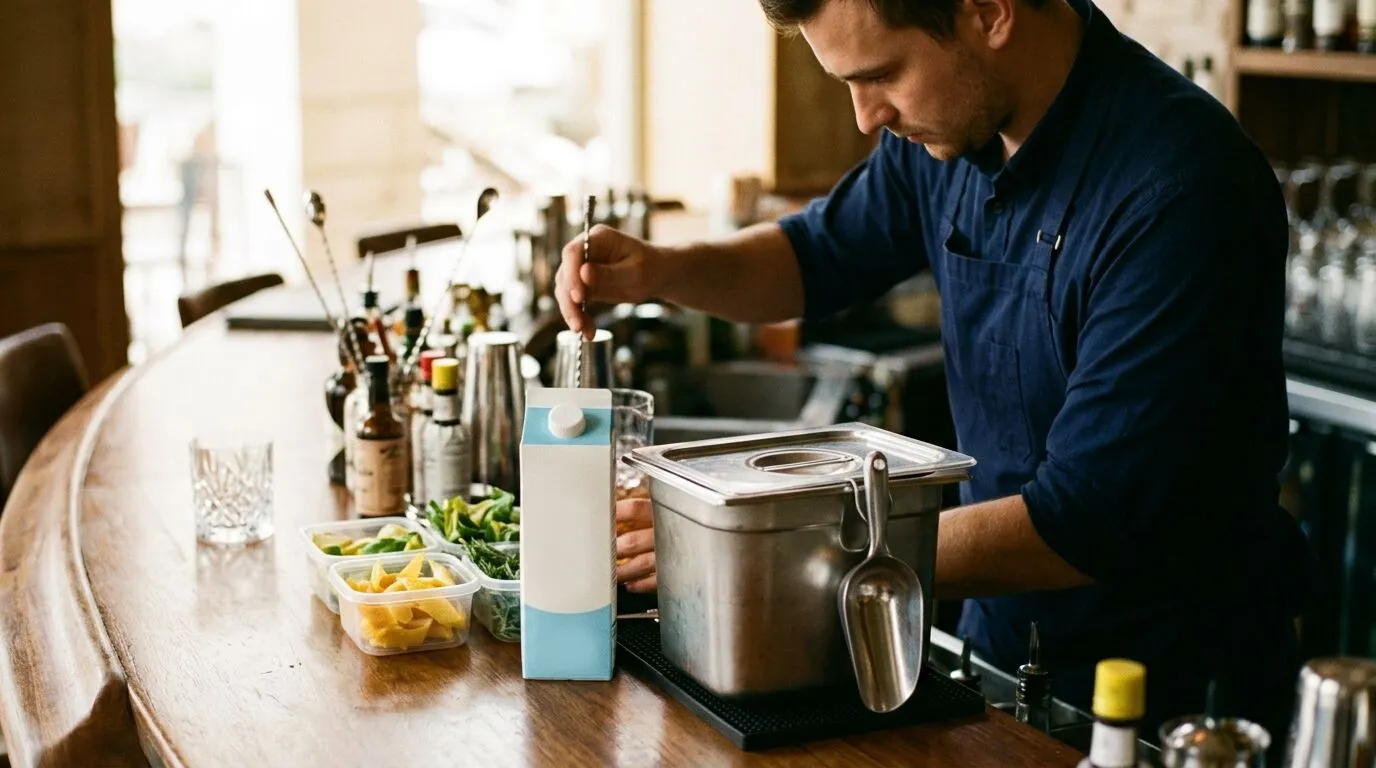
Recording display and counter checks with Miselup
Give chilled snacks, hot holding, ice-machine cleaning and water their own controls. Use the bar handover to review tray identity, egg preparations and glass-washer issues before the next team starts service.
Hand over the display without losing tray identity
Identify the potato-salad batch and record its food-conservation check, with the display-unit control as complementary evidence. Link the actual observation if production creates a required obligation. Preserve separate batches during replenishment and leave clear decisions for the next bartender; replacing a tray does not automatically record its history.
Foam and complimentary garnish change what is served
Record the cocktail's egg-product route and preparation without opening a cooking process that does not occur. Review the food-and-drink allergen matrix when foam, sauce or complimentary nuts change. The entry retains the review; cleaning shakers and tongs remains a counter task before the next order.
Breakage beside ice needs a food-disposition decision
Include the machine, bin and scoop in water and cleaning controls, and returned glasses in the washer route. Protect affected food after breakage, decide its destination and record action and follow-up in the relevant controls. A floor-cleaning entry alone cannot clear the ice for use; the handover needs the equipment decision.
The Miselup HACCP software hub explains the scope of Mise Pro and Mise Pro HACCP and how the manual, records, processes, verification, notifications, team portal and reports work.
Common gaps to address before an inspection
Check tray identity, the ice scoop and the separation between used and clean glasses before service. A tidy counter can still conceal an unsafe egg ingredient or missing allergen information for a garnish.
-
Fresh food tops up an old tray
Batch identity and display history become unclear. Replace containers and preserve each batch's identity and disposition.
-
A glass doubles as an ice scoop
Breakage can contaminate the bin. Use a clean scoop and include affected ice in the breakage response.
-
Alcohol is assumed to make raw egg safe
A cocktail recipe does not prove a kill step. Review ingredient suitability and the preparation route against local rules.
-
Clean glasses cross the returns area
Washed glasses meet used glassware or a dirty wiping cloth. Separate the routes and clean storage.
-
Snack information leaves out the garnish
Sauce, complimentary nuts or foam changes the served composition. Include food and drinks in the allergen review.
-
The display closes without food decisions
Covering a tray does not justify serving it tomorrow. Review history, shelf life and deviations before keeping or removing it.
Daily HACCP checklist for bars
Open with checks of displays, water, ice and the glass washer, then monitor replenishment and allergy requests during service. Close with clear food-disposition decisions and a handover of equipment and ingredient issues.
-
Open the food display
Identify trays and shelf lives, review previous issues and complete food and equipment checks.
-
Inspect ice and water
Check the protected bin, clean scoop, supply and machine before building drinks.
-
Ready the glass washer
Check dosing, rinsing, cleanliness and separation of returns from clean glasses.
-
Receive bar ingredients
Check purchased snacks, mayonnaise, egg products and supplied ice; link available receiving records.
-
Prepare garnish and foam
Use a clean area and review raw ingredients, opening histories and preparation criteria.
-
Replenish during service
Keep batches identifiable and monitor chilled and hot food under the plan.
-
Confirm allergy requests
Include sauces, snacks and drinks; check tongs and cocktail equipment before accepting the request.
-
Close and hand over
Decide leftover destinations, clean equipment under the programme and pass on display and glassware issues.
Frequently asked questions: HACCP for bars
Bar-specific questions concern displayed food, ice, cocktail ingredients and glass washing. These answers explain how to develop supported procedures while checking the requirements that apply where the bar operates.
Does a drinks-led bar need a HACCP plan?
How long can snacks stay out on the counter?
Should drink ice be included in food safety checks?
Can a cocktail use raw egg white?
Does a shiny glass prove that washing was effective?
How do I cover allergens in both snacks and cocktails?
Does Miselup monitor the snack display automatically?
What should the next bar shift check?
Related guides and businesses
This page covers counter service, while the temperature guide explains measurement and the tapas article covers costing by serving size. Contracted off-site events need the additional logistics described in the catering guide.
- Recipe costing for a tapas bar
Costs by serving format, alongside the separate food safety plan.
- Cocktail recipe costing
Cost drink ingredients while keeping egg and ice controls in the bar plan.
- HACCP temperature logging
Measurement and recording methods for the counter's food and equipment.
- Allergen control plan
Develop staff procedures for food, sauces, drinks and service requests.
- HACCP plan for restaurants
Add kitchen routes if the bar expands into cook-to-order meals or batch preparation.
- HACCP for catering
Editorial guidance for contracted off-site events and their service logistics.
Bring the bar plan into replenishment and handover
Define food, drinks, equipment and responsibilities. Use Mise Pro HACCP to organise the manual and records for the display and service counter.